What is a Birthkeeper?
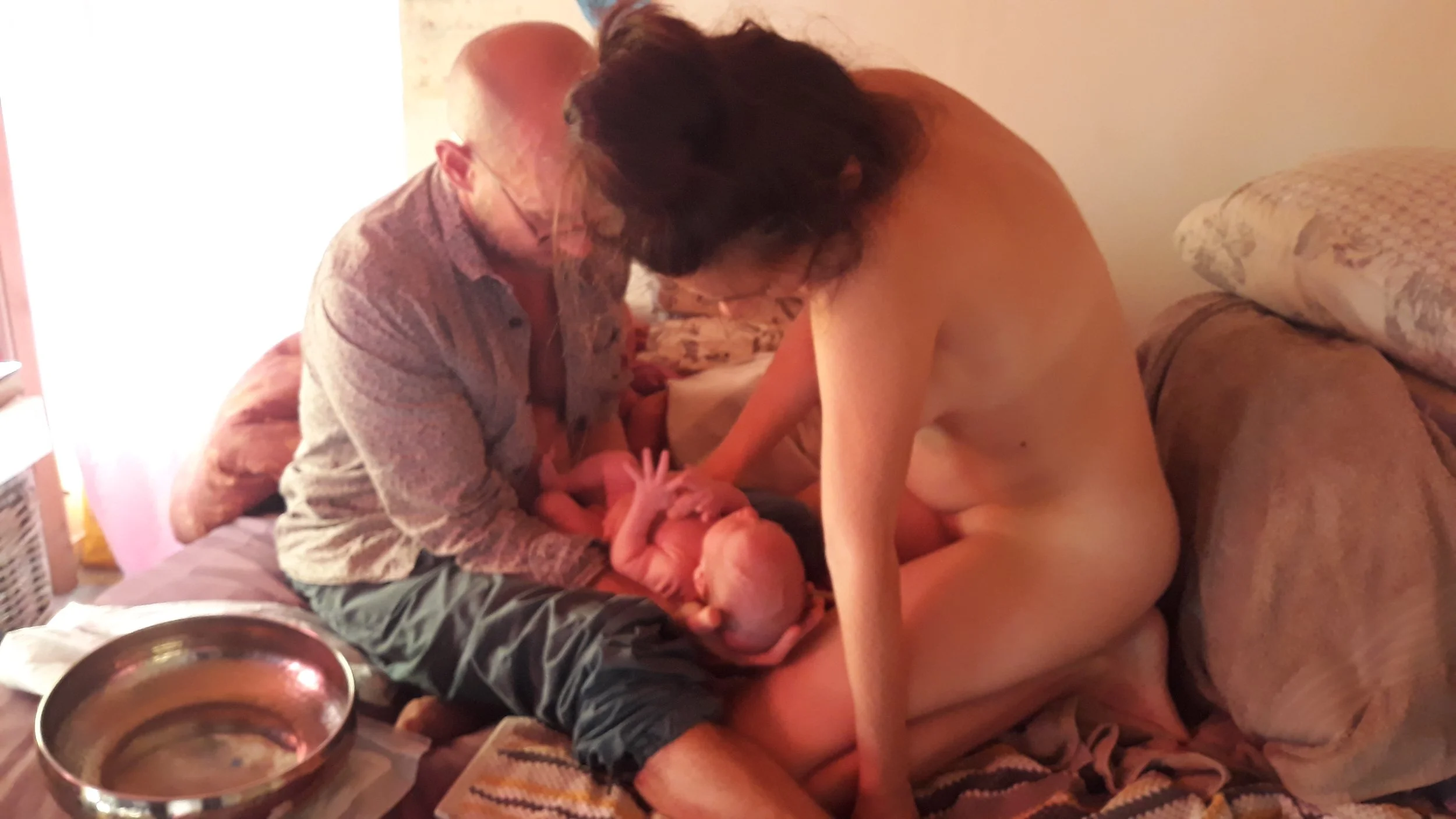
The Birthkeeper
A birthkeeper holds space for the unfolding of birth as a natural, physiological, and spiritual experience. Birthkeepers draw from ancient wisdom, intuition, and practical skills to provide holistic pregnancy and birth support that nurtures the whole person; mind, body, and spirit, and offer a ‘wise woman’ presence during labour and birth.
Birthkeeper vs. Doula - What’s the Difference?
Birthkeeper is a term coined by Jeannine Parvati Baker, bringing together the words Earth Keeper (eco-activist and holders of the sacred Earth-based wisdom) and Birth Worker , creating this blend of birth activist and keeper of the sacred wisdom of birth. The origin of ‘doula’ on the other heand was ‘slave’ and this has been rejected by many in favour of the term Birthkeeper.
While there are overlaps between birthkeepers and doulas, there can be a difference in who their clients might be. Doulas on the whole, offer emotional and physical support to all birthing women and people. There is an expectation to work with all clients to supporting them in birth preparation and planning, and informed decision making within the medical and midwifery system. Birthkeepers, on the other hand, may be more select in who they support, specialising in those reclaiming physiological birth as an instinctive process. They often work with those choosing alternative paths such as planned home birth with midwives or freebirth; those wanting a more sacred, heart led approach, tuning into instinct and intuition. Check out my other blog too on the difference between a midwife, a doula and a birthkeeper.
The Wise Woman Tradition
Within the Holistic Doula School, our philosophy embodies the wise woman tradition, an ancient way of supporting well-being that places the individual as the expert in their experience, and experiences as opportunities for transformation. Birthkeepers guide clients to embrace pregnancy as an opportunity for transformation, empowerment, and connection with their inner wisdom. They are the experts in themselves and for their babies.
Every birthkeeper has their own gifts to offer and this may include:
Emotional Support: Encouraging self-trust, intuition, and processing fears or past experiences.
Honouring ceremony and ritual: From mother blessings to birth altars, honouring the self, releasing what needs to be let go.
Nourishment and Well-being: Sharing guidance on holistic nutrition, movement, and folk wisdom and remedies
Practical Tools: They might use belly mapping to support understanding a baby’s position in the womb, using massage or biomechanics of birth and much more.
Who Do Birthkeepers Serve?
Birthkeepers might use this as their name interchangeably with doula and can support all choices. But often they might focus on clients seeking a deeper, more personal approach to pregnancy particularly those choosing to navigate birth outside conventional medical systems, such as those exploring:
Home birth or freebirth
Deepening their spiritual connection during pregnancy
Creating meaningful rituals and ceremonies for birth preparation
Is a birthkeeper an alternative to a midwife?
No. Within the Holistic Doula School training, we recognise the holistic support we can offer, which complements the maternity system in the UK, not as a replacement. I myself and my students support those making choices to freebirth but ultimately that is a deeply personal choice and a journey of self responsibility. It is not the role of a birthkeeper to offer clinical care, observations or reassurance of wellbeing during pregnancy or birth. That is the role of a registered midwife.
Reclaiming Birth
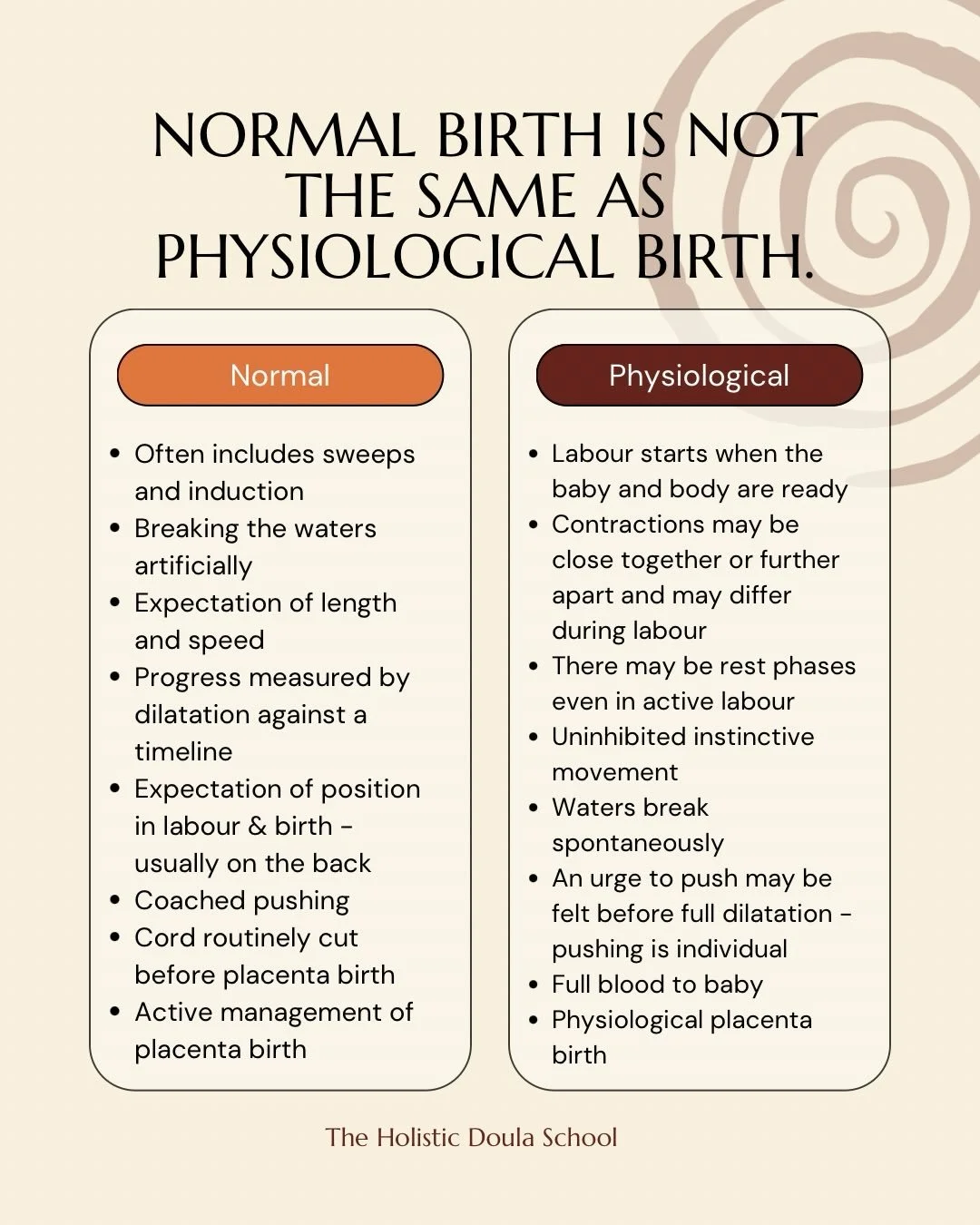
The rise of the use of the name ‘birthkeeper’ reflects a growing desire to reclaim birth as a sacred, instinctual process. By blending practical knowledge with the intuitive practices of the wise woman tradition, birthkeepers are supporting families to connect with their inner wisdom and embrace pregnancy and birth as a truly individual and transformative journey.